
English| EUR
Suggested for you
More currencies
Choose a language
Kenya's most photographed reserve reads differently in February than it does in September, and the gap between those two versions is wider than most first-time visitors expect. This masai mara safari best time to go guide sets out what each season actually delivers on the ground. It also explains why the low months are not the compromise they are often assumed to be.
Quick answer
The Maasai Mara is open 06:00–18:00 every day of the year, and July to October is the peak window, when the Mara River crossings and dry-season grass put game at its most visible. January to March offers strong resident predator viewing at a lower daily entry rate of 100 USD per adult. The caveat: April and May bring heavy long rains and rough black-cotton tracks.
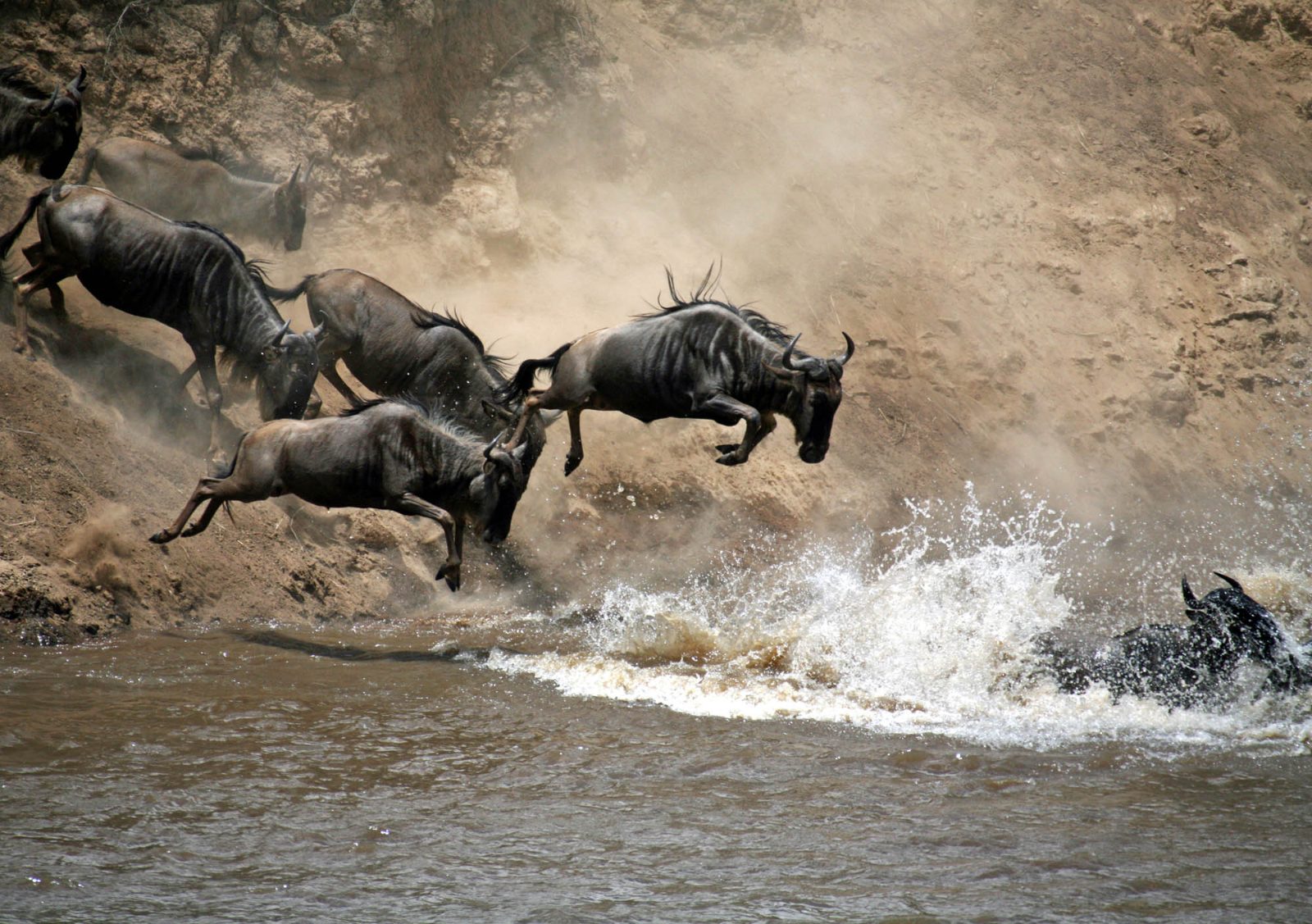
The reserve covers roughly 1,510 square kilometres, yet it is a fragment of a far larger system — the Mara is the northern tip of the Serengeti ecosystem, and the animals do not recognise the international boundary that splits it. That single geographic fact governs almost everything a visitor needs to know about timing. Herds move according to rainfall across the Loita Plains and the Tanzanian short-grass plains to the south, not according to a calendar. Anyone weighing the masai mara safari best time to go is really asking where the rain has recently fallen. The Great Migration is the reason most itineraries cluster in the second half of the year. Wildebeest and zebra push north across the Sand and Mara Rivers in numbers that regularly exceed a million animals, with the crossing points near the Mara Triangle and Talek drawing the heaviest concentrations of vehicles. The trade-off is straightforward: the reserve is busiest exactly when the spectacle peaks, and the main gates — Sekenani, Talek, Oloololo and Musiara — see queues. Travellers researching a Maasai Mara safari season by season should weigh that congestion honestly against the payoff. Outside the migration, the reserve holds its own. Lion prides in the Musiara Marsh area, cheetah on the open plains, and leopard along the riverine forest are resident year-round; they do not leave when the herds do. The long rains of April and May turn black-cotton soil into something that defeats two-wheel-drive vehicles, but they also deliver newborn antelope, migrant birdlife, and empty tracks. November's short rains are lighter and rarely disrupt a well-planned Kenya safari itinerary. Photographers often prefer these shoulder months for the storm light alone. For visitors building a three-day trip out of Nairobi, the practical lesson is that season and daily rhythm work together. A short stay in a quiet month, with drives timed to animal activity rather than convenience, frequently outperforms a rushed peak-season visit. The masai mara safari best time to go therefore depends less on a single ideal month than on matching the calendar to a specific priority — river crossings, predator behaviour, birdlife, budget or solitude. The sections below set out the seasonal breakdown, the daily gate schedule, current fees and a packing checklist, so that decision can be made on figures rather than impressions.
“The animals move according to where the rain has fallen, not according to anyone's calendar.”
The period from July through October is widely considered the best time to visit due to the Great Migration. For daily excursions, arriving within the 06:00–09:00 window provides the highest probability of observing active wildlife in cooler temperatures.
Dry, 20°C to 28°C
This season aligns with the Great Migration when herds cross the Mara River. It is the primary window for viewing predators in action.
Short rains, 21°C to 29°C
The landscape turns green, attracting migratory birds and offering opportunities to see newborn animals. Prices are generally lower than during the peak season.
Warm and dry, 22°C to 30°C
These months offer clear skies and excellent visibility for game viewing. It is a quiet period before the long rains arrive.
Long rains, 18°C to 25°C
Vegetation becomes dense and lush, which can make spotting wildlife more challenging. Many lodges offer reduced rates during this time.
Verdict: The best opportunity for a 3-day safari is between July and October, utilizing the 06:00–09:00 arrival window to maximize wildlife encounters.
Maasai Mara National Reserve maintains consistent daily operational hours throughout the year. These set times facilitate organized game drive schedules for all visitors.
The entrance fees for the Maasai Mara National Reserve are determined by the season of your visit. These costs reflect the conservation requirements and wildlife density variations throughout the year.
Verdict: A typical adult pays either 100 USD or 200 USD per day, depending entirely on whether the visit falls within the peak or off-peak date range.
Work through these preparations in order, starting several weeks before you travel to Narok County.
Everything you need to know about masai mara safari best time to go
The masai mara safari best time to go is generally between July and October, coinciding with the dry season and the Great Migration. Wildlife is easier to spot as animals congregate around water sources during these drier months.
The peak season typically spans July to October, which offers high wildlife activity but brings larger crowds to the reserve. If you prefer quieter game drives, consider the transitional months on the shoulders of this period.
Yes, the entrance fee is 100 USD per adult per day from 1 Jan to 30 Jun, and 200 USD per adult per day from 1 Jul to 31 Dec. Plan your trip accordingly to account for these seasonal variations in costs.
To maximize your chances of seeing the big five and other predators, you should aim for the best arrival window of 06:00–09:00. Early morning excursions provide cooler temperatures and more active wildlife behavior compared to the heat of the day.
While the Great Migration is a significant draw, many travelers find the masai mara safari best time to go is simply when weather conditions align with their personal interests. Always check local forecasts and reserve updates, as nature patterns can shift annually.
Visiting outside the peak months offers a unique experience with lush green landscapes and fewer safari vehicles on the trails. While some migratory herds may have departed, the resident game remains active throughout the year, making any season a viable choice.
3 Days Masai Mara Joining Safari
Read more Tickets & tours3 Days Masai Mara Flying Safari
Read more Tickets & tours3 Days Masai Mara Lodge & Camping Safari
Read more GuideMasai Mara Safari Cost Overview
Read more Tickets & tours3 Days Masai Mara Budget Safari
Read more Guide3 Day Masai Mara Safari Price & Cost Guide
Read more Guide3 Days Masai Mara Safari Itinerary
Read more